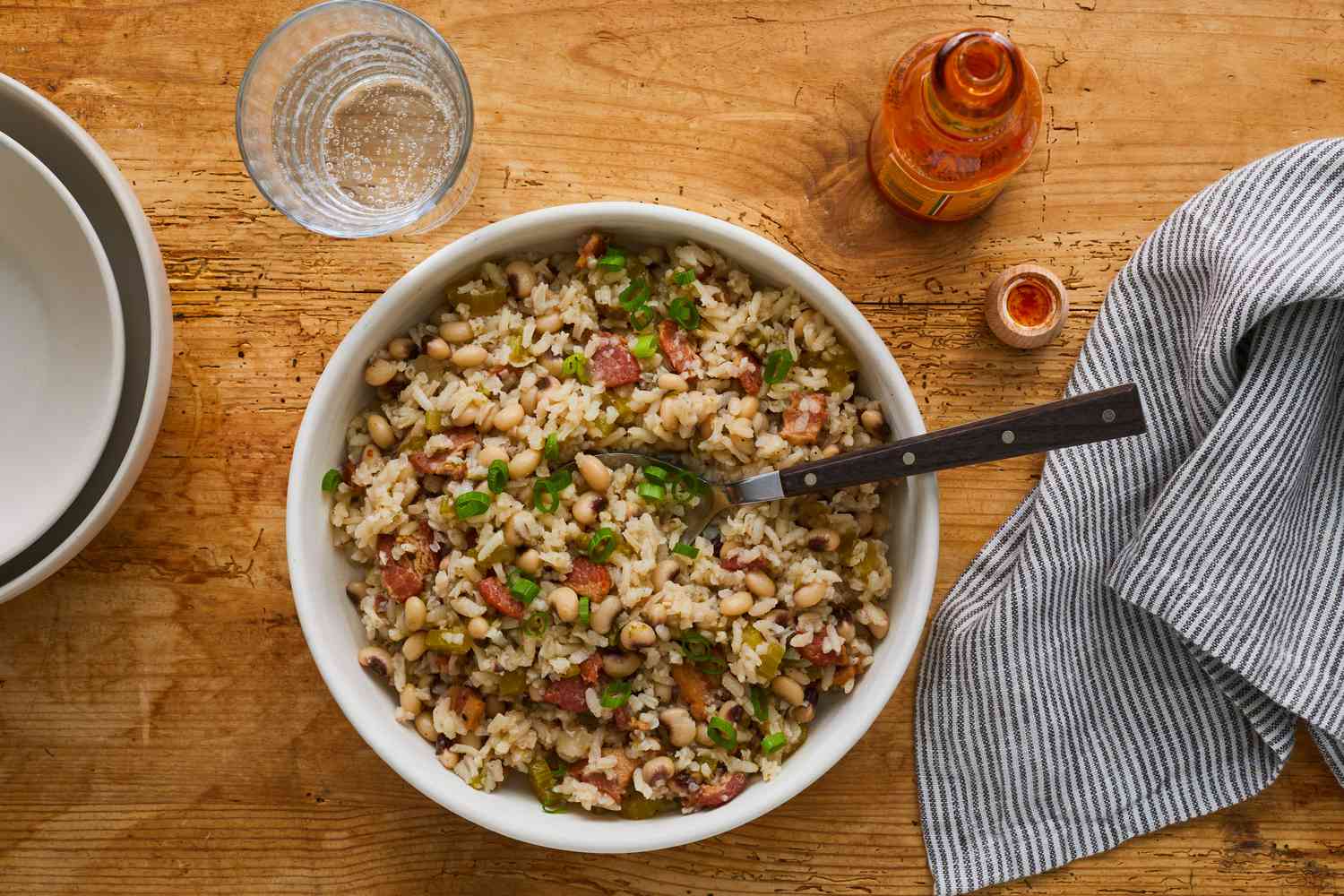
Hoppin' John: Traditional vs. Healthy Vegetarian Recipe Guide
As the New Year approaches, many traditions spring to mind, and for those in the American South, few are as cherished as a hearty bowl of Hoppin' John. More than just a meal, it's a culinary ritual steeped in history, symbolism, and the promise of good fortune. This savory, soulful blend of black-eyed peas, rice, and greens has graced countless New Year's Day tables, believed to bring prosperity for the year ahead. But what if you crave the tradition without the traditional meat, or simply seek a lighter, quicker option for your weeknight table?
This comprehensive guide delves into the essence of the classic Hoppin' John recipe, exploring its rich history and symbolic ingredients. We'll then pivot to a modern, healthy vegetarian adaptation, showcasing how you can enjoy the spirit and flavor of this beloved dish with a contemporary twist. Whether you're a purist or looking to innovate, there's a version of Hoppin' John waiting to bring warmth and wellness to your plate.
The Enduring Charm of Hoppin' John: A Southern Tradition
Hoppin' John isn't just a recipe; it's a story told through food, deeply embedded in Southern culture. Its appeal lies not only in its comforting flavors but also in the hopes and wishes it carries.
What is Hoppin' John? Unpacking Its Roots
At its heart, Hoppin' John is a simple yet profoundly rich dish featuring black-eyed peas, rice, and often some form of smoky pork. Sometimes referred to as "Carolina Peas and Rice," its origins are as debated as they are fascinating. While many theories abound regarding the actual meaning of "Hoppin' John," one widely accepted explanation suggests it's a corruption of the French phrase
pois à pigeon, meaning "pigeon peas." This linguistic evolution points to the dish's possible roots tracing back to African and Caribbean influences, brought to the American South through the transatlantic slave trade. Regardless of the exact etymology, Hoppin' John has long been a staple, particularly cherished for its cultural significance surrounding the New Year.
Luck, Prosperity, and a Coin in the Pot: The Symbolism
The tradition of eating Hoppin' John on New Year's Day is brimming with symbolism, designed to invite good fortune into the coming year. Each key ingredient plays a vital role:
*
Black-Eyed Peas: These humble legumes are said to symbolize coins or pennies, representing financial prosperity. Eating them on New Year's Day is believed to ensure a year of wealth.
*
Collard Greens (or other cooked greens): Often served alongside or mixed into Hoppin' John, the vibrant green color of collards symbolizes paper money or wealth. The more greens you eat, the more prosperous your year is expected to be!
*
Rice: The swelling of the rice grains as they cook symbolizes an increase in prosperity and abundance.
*
Pork: In traditional recipes, pork (often ham hocks, bacon, or sausage) is included because pigs are believed to root forward, symbolizing progress and moving into the New Year with positive momentum.
Sometimes, for an extra measure of luck, a clean coin is even added to the pot before serving. The person who finds the coin in their bowl is said to have the best luck in the New Year. (Naturally, if attempting this, ensure the coin is thoroughly cleaned and inform your diners!)
Authentic Southern Hoppin' John: A Taste of Tradition
For purists, the authentic Southern Hoppin' John recipe is an unmissable experience. It’s a dish that embodies slow-cooked comfort, deeply infused flavors, and the rich culinary heritage of the South. If you're looking to dive into the truly traditional experience, you might enjoy exploring this in-depth guide:
Authentic Southern Hoppin' John: A New Year's Day Classic.
Key Ingredients for a Classic Hoppin' John Recipe
The traditional approach to this comforting dish is fairly straightforward but relies on specific ingredients for its characteristic depth:
*
Dried Black-Eyed Peas: While canned peas can be used for convenience, dried peas, soaked overnight and simmered slowly, yield a superior texture and absorb the smoky flavors more thoroughly.
*
Smoked Pork: This is the cornerstone of the traditional flavor. Ham hocks, slab bacon, salt pork, or even smoked sausage are common choices. The long, slow cooking of these pork products infuses the entire dish with an irreplaceable smoky, savory essence.
*
White Rice: Long-grain white rice is typically preferred for its classic texture, absorbing the rich broth beautifully.
*
Aromatics: Onion, celery, and bell pepper (the "holy trinity" of Southern cooking) often form the base, sautéed to release their fragrant notes.
*
Seasonings: Bay leaves, thyme, and a good amount of black pepper are essential, along with a dash of hot sauce or red pepper flakes for a subtle kick.
*
Collard Greens: Slowly braised collards, often cooked separately with a bit more pork, are the traditional accompaniment, served alongside or sometimes stirred in.
Crafting the Traditional Flavor Profile
The magic of authentic Hoppin' John lies in its slow simmering. Ham hocks or bacon are gently cooked to render their fat and impart their smoky essence. The black-eyed peas are then added, simmering in the rich, flavorful liquid until tender. This process allows the flavors to meld and deepen over hours, creating a complex, soul-satisfying broth that the rice will later absorb. The result is a dish that is hearty, savory, and profoundly comforting – a true reflection of Southern hospitality and tradition.
Hoppin' John Reinvented: A Healthy Vegetarian Approach
While tradition holds a special place, modern diets and busy lifestyles often call for adaptations. The good news is that a delicious and healthy vegetarian Hoppin' John recipe is not only possible but incredibly rewarding. It captures the essence of the original while offering a lighter, quicker, and nutrient-packed alternative. For a more detailed walkthrough of this modern twist, check out:
Quick & Healthy Hoppin' John: Vegetarian New Year's Recipe.
Why Choose a Vegetarian Hoppin' John Recipe?
Embracing a vegetarian or even vegan Hoppin' John offers several compelling advantages:
*
Health Benefits: By omitting pork, you significantly reduce saturated fat and cholesterol, making it a heart-healthier option. This version often boasts every food group in one pot, providing a balanced meal rich in fiber, vitamins, and minerals from a diverse array of vegetables.
*
Dietary Inclusivity: It caters to vegetarians, vegans, and those looking to reduce their meat consumption without sacrificing flavor or tradition.
*
Quicker Preparation: Without the need to slow-cook pork for hours, a vegetarian Hoppin' John can be on your table in a fraction of the time, making it weeknight-friendly.
*
Freshness and Vibrancy: The emphasis shifts to fresh vegetables and aromatic spices, creating a bright, flavorful dish that nourishes from the inside out.
Smart Swaps for a Flavorful Vegetarian Adaptation
The challenge in creating a vegetarian Hoppin' John recipe is achieving that characteristic smoky depth without meat. This is where clever ingredient choices and cooking techniques come into play:
*
Smoked Paprika: This spice is a game-changer. A generous spoonful provides an addictive, smoky flavor that brilliantly mimics the essence of bacon or ham hocks.
*
Liquid Smoke: Used sparingly, a drop or two can enhance the smoky profile, though it's optional and some prefer to avoid it.
*
Vegetable Broth: A high-quality, flavorful vegetable broth forms the base, ensuring depth without meat.
*
Kale (instead of Collards): While collard greens are traditional, kale is a fantastic swap in a vegetarian version. It cooks much more quickly, has a slightly milder flavor, and is packed with nutrients. Spinach or Swiss chard are also good options.
*
Brown Rice (instead of White Rice): To boost the nutritional profile, whole-grain brown rice is often used. It adds a nutty flavor and more fiber, contributing to a more wholesome meal.
*
Bell Peppers, Carrots, Celery: These vegetables not only add vibrant color and texture but also contribute to a richer nutritional profile, packing in more vitamins and antioxidants.
*
Chili Powder & Cayenne Pepper: These spices, along with smoked paprika, build a complex, warm flavor profile that satisfies without being overly spicy.
Tips for Perfecting Your Hoppin' John (Traditional or Vegetarian)
Whether you're sticking to the classics or exploring a plant-based version, a few universal tips can elevate your Hoppin' John:
*
Aromatics are Key: Don't rush the sautéing of your onions, celery, and bell peppers (or carrots in the vegetarian version). Allowing them to soften and release their sweetness forms a crucial flavor foundation.
*
Season Generously: Taste and adjust seasonings throughout the cooking process. Salt, pepper, and your chosen spices are vital for a well-balanced dish. A splash of apple cider vinegar or a squeeze of lemon juice at the end can brighten flavors.
*
Patience with Peas: If using dried black-eyed peas, ensure they are cooked until tender but not mushy. Soaking them overnight can significantly reduce cooking time. Canned peas are a quick shortcut if you're short on time, just rinse them well.
*
Broth Quality Matters: A rich, flavorful broth (meat-based or vegetable) will make a noticeable difference in the final taste of your Hoppin' John recipe.
*
Serving Suggestions: Both versions of Hoppin' John are fantastic served with a side of cornbread (perfect for soaking up the delicious pot liquor!), a dash of hot sauce, and extra braised greens.
Conclusion
Hoppin' John, in all its forms, remains a beloved Southern classic, symbolizing hope, prosperity, and comfort. Whether you lean towards the deeply traditional, smoky pork-infused version or prefer a vibrant, healthy vegetarian adaptation, the essence of this timeless dish endures. Both paths offer a delicious way to partake in a rich cultural tradition, providing a soulful meal that nourishes both body and spirit. So, this New Year's Day, or any day you crave a taste of tradition with a side of good fortune, try your hand at a Hoppin' John recipe – and may it bring you luck and deliciousness in abundance!